Physical Address
304 North Cardinal St.
Dorchester Center, MA 02124
Physical Address
304 North Cardinal St.
Dorchester Center, MA 02124

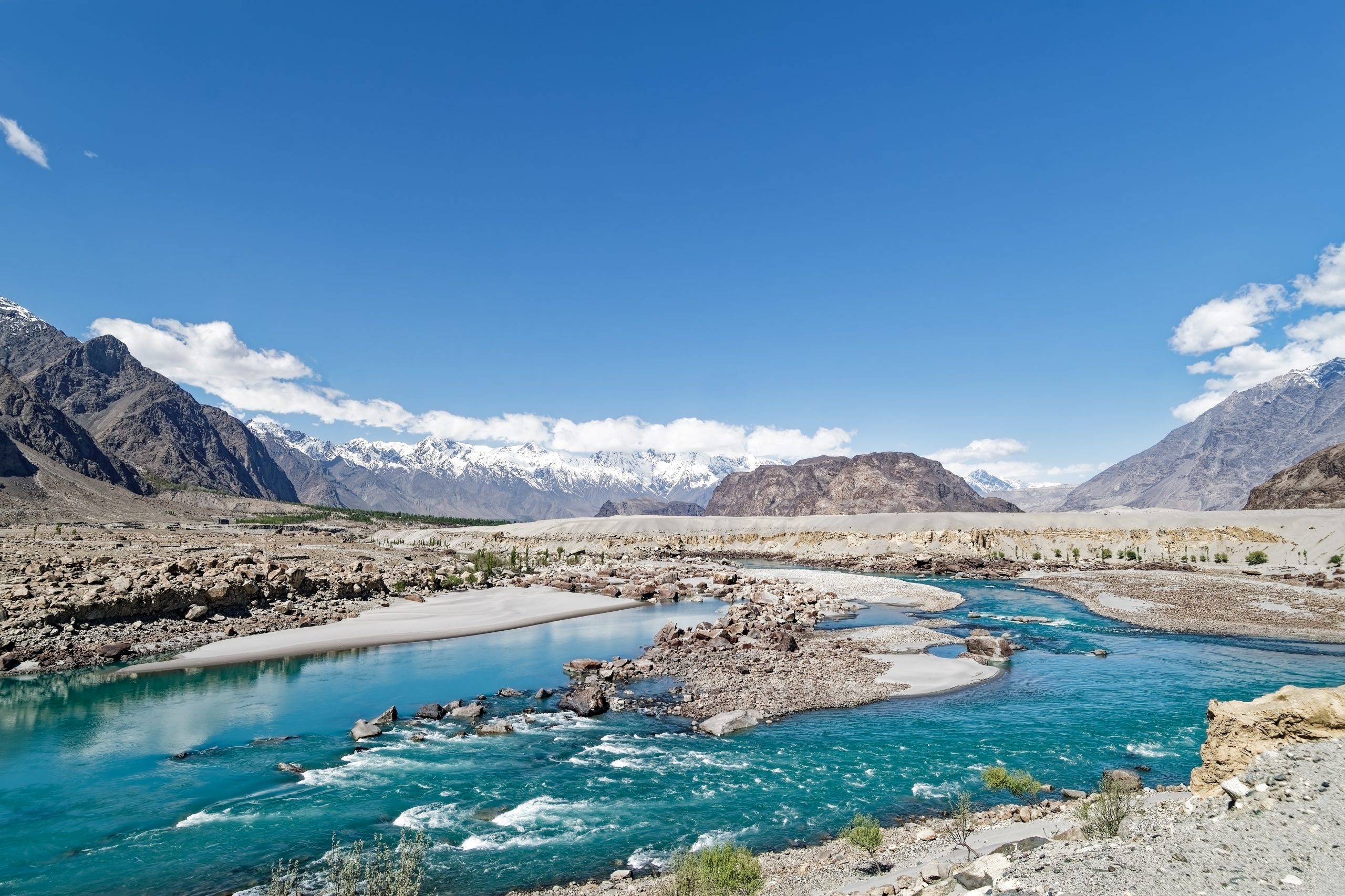
India rejected a fresh ruling from The Hague based Permanent Court of Arbitration, regarding the Indus Waters Treaty, saying the Tribunal has no legal standing and that its decision will have no bearing on India’s actions.
The ruling by the Permanent Court of Arbitration, announced on Monday, 31 August 2026 said the 1960 Indus Waters Treaty remains in force. It also imposed interim restrictions relating to India’s Ratle hydroelectric project on the Chenab River in Jammu and Kashmir.
New Delhi has dismissed the decision outright, with the Ministry of External Affairs describing the tribunal as an “illegally constituted so-called Court of Arbitration” and reiterating that India’s decision to place the treaty in abeyance remains in force. India has consistently refused to participate in the arbitration proceedings, arguing that the Tribunal itself was created in violation of the Indus Water Treaty.
The latest confrontation goes back to April 2025, when India suspended the Indus Waters Treaty following the Pahalgam terror attack. New Delhi linked the attack to Pakistan-based terrorist networks, allegations that Pakistan has rejected. The move to suspend the treaty was extraordinary.
The Indus Waters Treaty, signed in 1960 with the World Bank acting as intermediary, had survived decades of wars, diplomatic crises and hostility between the two countries. Following India’s decision to put the treaty in abeyance, Pakistan challenged India’s position through the treaty’s dispute-resolution mechanisms, bringing the issue before the Permanent Court of Arbitration in The Hague.
India’s response since has been consistent, that there is no valid arbitration to recognise. That puts the two sides on fundamentally different legal ground. Pakistan argues that the treaty remains binding and that international arbitration can determine disputes under it. India argues that the Tribunal was never validly constituted and therefore cannot impose obligations on New Delhi.
The Tribunal rejected India’s argument that it could place the treaty in abeyance and concluded that the agreement remains fully in force. It also issued interim measures concerning the Ratle hydropower project, restricting certain construction activities while the parallel neutral-expert process continues. A final decision from that process is expected around July 2027.
The dispute matters because the treaty gives Pakistan the principal rights over the western rivers, namely the Indus, Jhelum and Chenab; while giving India rights over the eastern rivers, Ravi, Beas and Sutlej, with limited rights to use waters of the western rivers. For more than six decades, that arrangement has been one of the few functioning treaties between India and Pakistan, and a hallmark of international cooperation.
The latest ruling is therefore a lot more than just about a dam. The Hague says the treaty continues to bind India. New Delhi says the Tribunal has no authority to make that determination, with neither side willing to bridge that gap. The Ratle project has become a particularly sensitive point because it sits on the river Chenab, one of the western rivers allocated primarily to Pakistan under the treaty.
India sees hydropower development in Jammu and Kashmir as an important part of its infrastructure and energy strategy; while Pakistan has repeatedly challenged the design and operation of such projects. This has resulted in a legal confrontation, layered onto an already deteriorating explosive political relationship.
The Indus Waters Treaty was designed to keep water disputes from becoming another source of conflict between India and Pakistan. Today, the Treaty itself has become the dispute. The Hague says it remains in force. India says the Court has no standing and that its decision changes nothing.
With construction continuing on the Ratle hydropower projects, the gap between the Permanent Court of International Arbitration and India’s position is unlikely to disappear soon. The real question is no longer simply about who gets the water. It is whether a Treaty enforced in 1960 between India and Pakistan, can survive the political relationship that has fundamentally changed.